The Benefits of Using a Diagnostic Repair Service for Your Vehicle
The advantages of employing a vehicle diagnostic service for a motor vehicle are substantial and wide-ranging. These offerings boost performance and safety while stopping small problems from escalating into serious concerns. By identifying potential concerns early, they assist in maintaining the car's dependability and fuel economy. Despite this, numerous drivers disregard the value of routine diagnostic checks. Recognizing what such services deliver can lead to more informed decisions about vehicle maintenance and longevity. What criteria should one evaluate when choosing a diagnostic service?
The Value of Diagnostic Repair Services
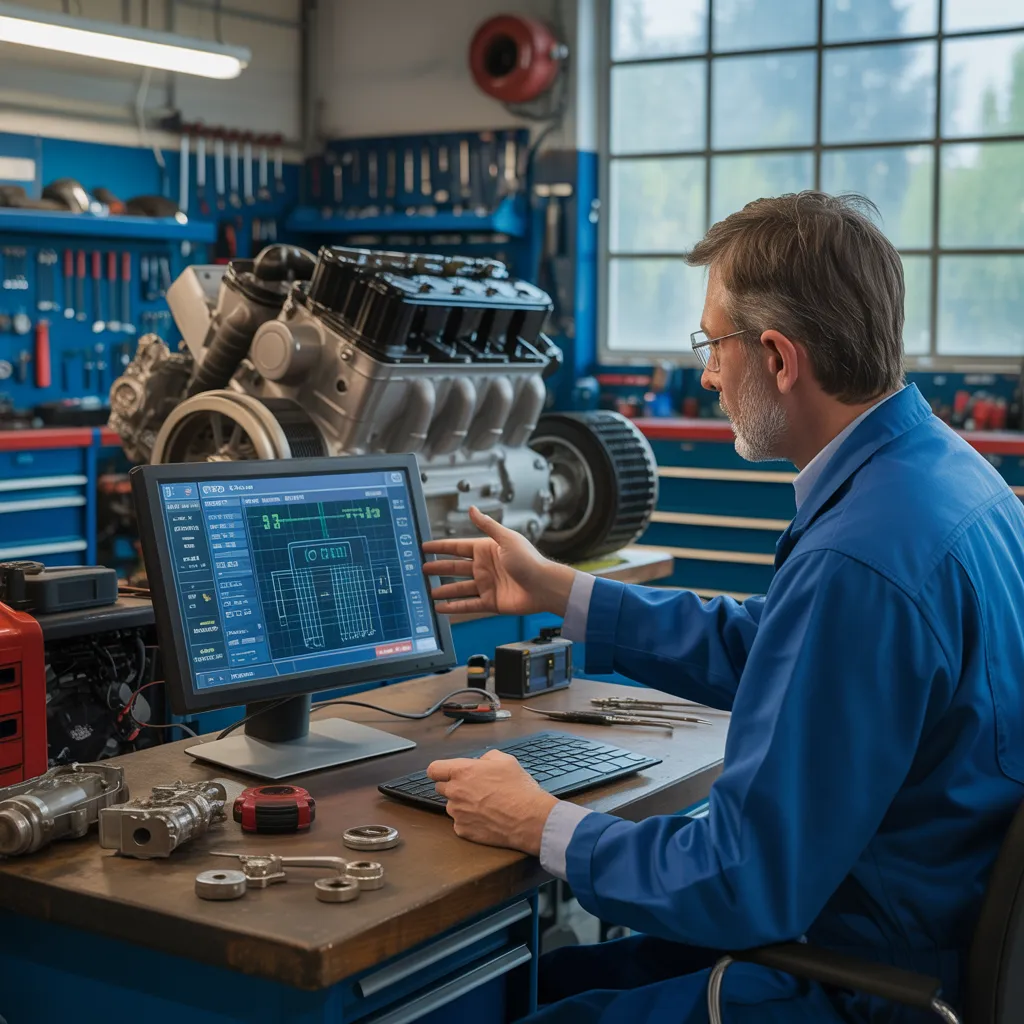
Diagnostic repair services serve a vital function in keeping vehicles performing safely and efficiently. These services utilize advanced technology and specialized equipment to evaluate a vehicle's systems, pinpointing potential issues before they grow into significant complications. By conducting thorough diagnostics, technicians are able to identify malfunctions in essential components such as the engine, transmission, and electrical systems.
This forward-thinking method not only extends the lifespan of the vehicle but also ensures optimal fuel efficiency and dependability. Moreover, diagnostic services aid in meeting safety requirements, decreasing the chances of accidents stemming from mechanical issues. Routine diagnostics support well-informed choices concerning repairs and upkeep, potentially sparing owners considerable expenses over time. In the end, the value of diagnostic repair services rests in their capacity to deliver peace of mind, guaranteeing that vehicles run efficiently and safely on the road.
Common Automotive Problems Effectively Diagnosed
A large number of vehicle owners experience a range of common issues that can be effectively diagnosed through specialized services. These concerns frequently encompass electrical system malfunctions, engine problems, and transmission difficulties. As an example, engines can display irregular noises or a notable drop in performance, prompting a need for thorough examination. Transmission difficulties may present themselves as erratic gear changes or jarring transitions, which can be identified through diagnostic assessments.
Moreover, indicator lights on the dashboard can signal a variety of problems, from mild to critical, indicating the need for prompt attention. Brake-related concerns, such as squealing or diminished responsiveness, also necessitate accurate diagnosis to secure vehicle safety. By leveraging professional diagnostic services, drivers can detect these concerns promptly, preventing further damage and costly repairs. Essentially, acknowledging and tackling these typical car problems through expert diagnosis fosters both vehicle longevity and driver safety.
How Diagnostic Tools Identify Vehicle Issues Accurately
Diagnostic tools utilize sophisticated technology to pinpoint vehicle issues with outstanding accuracy. By incorporating real-time data assessment, these systems can analyze numerous systems across the vehicle, delivering immediate feedback on efficiency and underlying concerns. This precision enhances the productivity of repair procedures, ultimately leading to better vehicle maintenance.
Cutting-Edge Technology Integration
With vehicles growing more complex, the adoption of cutting-edge diagnostic tools has changed the way faults are recognized and corrected. Contemporary diagnostic systems employ advanced software and hardware to examine a vehicle's electronic parts, allowing technicians to identify issues with exceptional precision. Such tools are able to interpret error codes, observe sensor data, and carry out system checks in real time. By translating intricate vehicle data into understandable information, they assist in removing uncertainty and shortening repair durations. Additionally, the use of advanced technology guarantees that technicians stay updated on the latest vehicle models and their specific requirements. This level of accuracy not only boosts the effectiveness of repairs but also elevates overall vehicle safety and performance, establishing diagnostic repair services expert advice as an invaluable necessity.
Instant Data Analysis
Harnessing real-time data processing, advanced diagnostic systems efficiently identify car malfunctions with exactness. Such systems gather and analyze data from various sensors throughout the vehicle, allowing technicians to identify problems swiftly. By accessing critical parameters such as engine output, fuel consumption, and exhaust levels, mechanics can uncover hidden issues that could be missed during a routine examination. Such a forward-thinking method enables prompt action, lowering the chances of significant deterioration and high repair costs. Furthermore, real-time data can facilitate better communication between the specialist and the automobile owner, maintaining openness about detected faults and proposed fixes. Overall, utilizing live data analysis substantially boosts the exactness and productivity of automotive diagnostics.
What Makes Experienced Technicians Essential in Diagnostics?
Skilled technicians hold an important role in vehicle diagnostics due to their in-depth technical knowledge. Their skills provide for efficient problem identification, reducing downtime for vehicle owners. Moreover, proficient technicians enhance repair accuracy, confirming that issues are addressed accurately on the first attempt.
Comprehensive Technical Proficiency
Technical knowledge serves a fundamental purpose in how well vehicle diagnostics perform. Experienced technicians possess a deep understanding of automotive systems, empowering them to precisely analyze complex diagnostic tool data. Their thorough training equips them to identify patterns and irregularities that less skilled individuals may miss. This superior understanding ensures that technicians are able to distinguish between minor concerns and major problems, producing more reliable diagnostic outcomes. Additionally, seasoned professionals are usually familiar with the latest technological advancements, which are essential in contemporary vehicles. Their ability to stay updated with industry trends enhances their diagnostic skills, making them invaluable in identifying underlying issues swiftly and effectively. Consequently, their proficiency leads to higher quality and more efficient automotive repairs.
Streamlined Problem Recognition
Accurate problem identification is essential in vehicle diagnostics, and the proficiency of seasoned technicians greatly improves this process. Skilled technicians possess a comprehensive grasp of numerous vehicle systems, allowing them to swiftly detect issues that may escape less knowledgeable mechanics. Their proficiency with diagnostic equipment and tools enables them to process data efficiently, leading to swifter and more accurate conclusions. Additionally, experienced technicians can draw on prior knowledge to detect patterns in vehicle operation, facilitating rapid detection of persistent faults. This effectiveness not only reduces time but also reduces the potential for misdiagnosis, ensuring that the accurate faults are addressed promptly. As a result, employing expert technicians for vehicle diagnostics leads to enhanced overall vehicle performance and durability.
Enhanced Repair Accuracy
Achieving enhanced repair accuracy depends on the skill of mechanics who hold a wealth of knowledge in automotive diagnostics. Seasoned mechanics are familiar with the nuances of various vehicle systems, enabling them to diagnose issues precisely. Their thorough preparation and real-world knowledge enable them to utilize advanced diagnostic tools effectively, confirming that issues are accurately detected on the first attempt. This decreases the risk of incorrect diagnoses and avoidable repairs, consistently reducing costs and effort for vehicle owners. Moreover, their familiarity with OEM standards guarantees that maintenance is carried out with maximum precision. Essentially, the competence of experienced mechanics is essential for attaining precise diagnostic results, leading to greater vehicle dependability and extended lifespan.
Cost-Reduction Benefits of Timely Diagnostic Repair Services
Early vehicle diagnostic services offer vehicle owners substantial savings on repair costs. Addressing issues promptly can prevent minor problems from escalating into major repairs, which often lead to increased costs for labor and replacement parts. By diagnosing and addressing issues promptly, vehicle owners can increase the longevity of their vehicles, decreasing the occurrence of high-cost repairs and component replacements.
Additionally, early diagnostics help optimize vehicle performance, resulting in better fuel efficiency. A well-maintained vehicle is less likely to suffer from unexpected breakdowns, sparing owners the cost of roadside assistance and towing fees. Furthermore, consistent diagnostic inspections can reveal hidden issues that may go unnoticed, permitting timely intervention before such problems develop into critical concerns.
At the end of the day, committing to proactive diagnostic services not only preserves a vehicle's present performance but also enhances long-lasting cost savings, making it a wise choice for diligent vehicle owners.
Understanding Signs That Suggest the Need for Diagnostic Services
Automobile owners should be vigilant in recognizing signs that indicate the need for diagnostic services. Abnormal noises, such as knocking or grinding noises, can signal potential mechanical issues that require immediate attention. Moreover, warning lights on the dashboard, most notably the check engine light, must never be disregarded, as they often indicate underlying mechanical issues.
Shifts in vehicle behavior, including sluggish acceleration or hard starting, can also indicate the need for a diagnostic check. Varying fuel consumption can indicate engine or fuel system issues that could benefit from early intervention.
Additionally, ongoing vibrations or handling problems can indicate alignment or suspension problems. By being attentive to these signs, vehicle owners can actively pursue diagnostic evaluations, guaranteeing their vehicles stay reliable and secure while potentially reducing the cost of major repairs over time.
Common Questions and Answers
How Often Should My Vehicle Be Diagnosed?
A vehicle should generally be inspected once a year or whenever warning lights appear. Routine diagnostic checks help identify hidden faults early, ensuring maximum efficiency and preventing costly repairs, ultimately extending the vehicle's lifespan and enhancing safety.
Am I Able to Carry Out Diagnostics by Myself at Home?
Certainly, it is possible to run diagnostics at home by utilizing budget-friendly OBD-II scan tools. That said, although minor issues can be detected, complex problems typically need expert knowledge to ensure a thorough diagnosis and efficient repair outcomes.
What Kinds of Vehicles Benefit the Most From Diagnostic Services?
Premium automobiles, hybrid cars, and those featuring sophisticated technology systems benefit most from diagnostic services. These vehicles' sophisticated electronic components necessitate purpose-built tools and professional expertise, ensuring accurate problem identification and efficient repairs to sustain maximum operational efficiency and safe driving conditions.
Do Diagnostic Repairs Fall Under Warranty Coverage?
Diagnostic repairs may be covered by warranty, subject to the specific terms and conditions associated with the warranty. Automobile owners should check their warranty paperwork or reach out to their provider to understand the extent of coverage available for such repairs.
How Much Time Does a Standard Diagnostic Service Require?
A standard vehicle diagnostic generally takes between one to two hours, based on the vehicle's complexity and the exact concerns being assessed. Elements such as the technician's expertise and diagnostic equipment can also affect the duration of the service.
Elevate
Comments on “Best Options for Top Engine Diagnostic Experts in Wichita”